The Dawn of a New Lizard

Weekly Lizard

In this post, we get a behind-the-scenes look at the creation of a new series — Pocket Black Lizard — from the perspective of two people closely involved in the process. Barbara Richard, Director of Backlist Publishing for Vintage Books and Anchor Books, and Andy Hughes, Senior Vice President of Production and Design for the Knopf Doubleday Publishing Group, share their insights and experience.

About a year ago, several editors here at Vintage Books bandied about ideas for creating a new series of crime and suspense novels. Now, Vintage has a history here; the imprint has featured a line of crime novels for more than twenty years — mainly classic authors, such as James M. Cain, Raymond Chandler, Dashiell Hammett, and Chester Himes.

SET_1_2

In 1990, Vintage acquired Black Lizard, a California-based publisher of classic crime fiction, whose authors included David Goodis and Jim Thompson, among many others. This paved the way for a new, unified series: Vintage Crime/Black Lizard.

SET_2_2

But in conceiving our new series and sussing out how it should be distinguished, everyone agreed that it should have a signature look, a design that would make the books instantly recognizable. Back in the 1980s, Black Lizard books were mass-market size (the smaller, thicker volumes you see most often sold in airports and grocery stores), which is the traditional format for mysteries and crime novels. Vintage Crime took an elegant step further and converted classic crime to the larger, more airy trade paperback format. In the new series, we envisioned something that would stand out, in between those two sizes.

After a lot of discussion and exploration, we came upon a format that’s smaller than a regular trade paperback and bigger than a mass-market book. It’s a handy size that fits in the palm of your hand or a back pocket (in fact, it’s just a smidge smaller than a Nook), yet has satisfying heft.

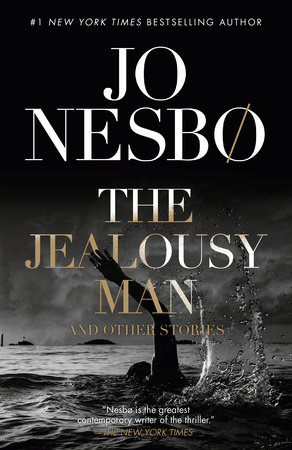
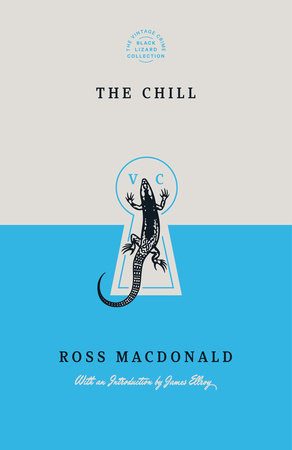
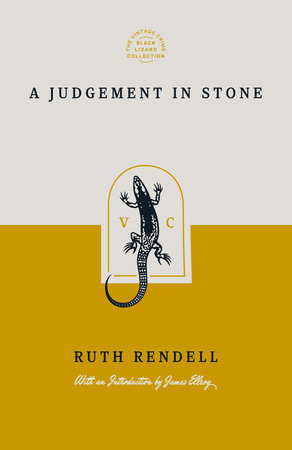
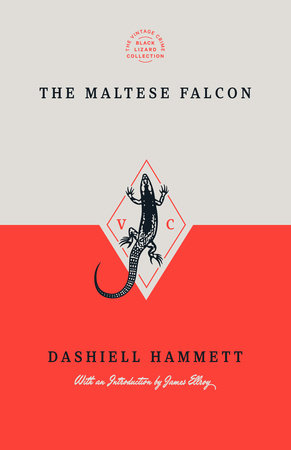
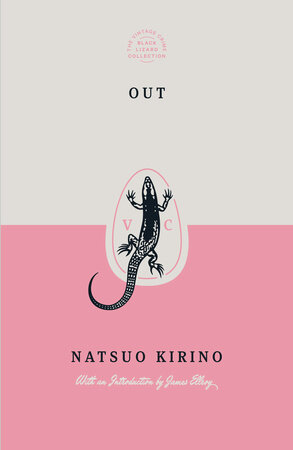
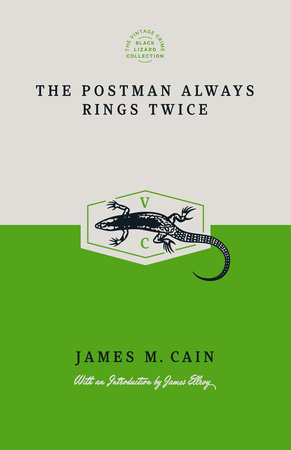
But a snazzy new format wasn’t enough; we wanted it to have something you don’t see much anymore: edge staining around all three sides of the book. We looked into various colors: red and green among them, but decided that black edge staining would look best. Add a brilliant series design by our art director, John Gall, and voilà!, a brand new series is born: Pocket Black Lizard.

Logos3

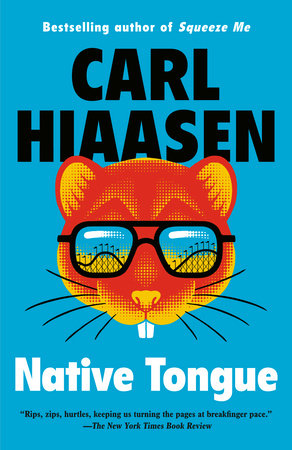
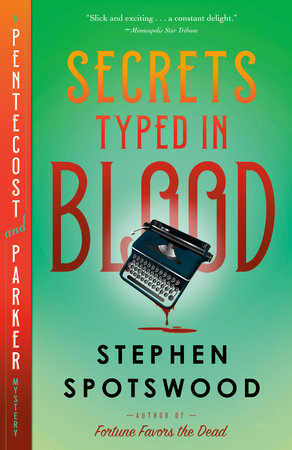
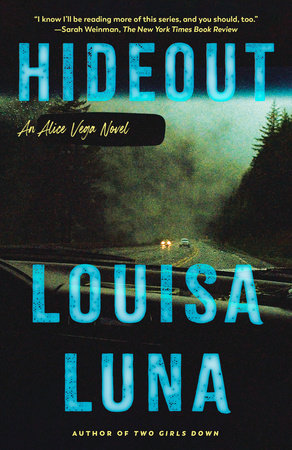
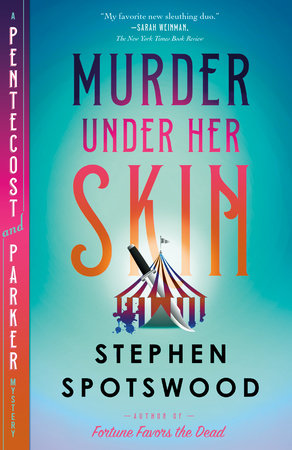
As I read each of the books, I felt kind of cool holding them, particularly on the subway, where checking out fellow riders’ reads still hasn’t gone out of style. It’s hard to miss covers like these — with bold typography and arresting images that capture the narrative energy in each book. As we all know, a great package is key to showcase the best content, and in this case all the pieces fell into place.

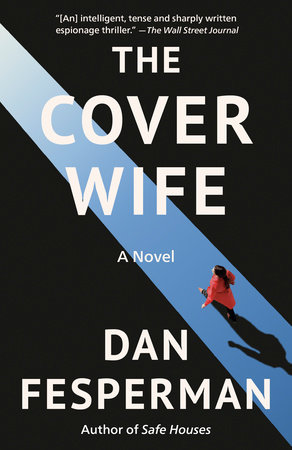
The debut authors in the series include the former head of Britain’s MI5 (Stella Rimington), a legal crusader (Justin Peacock), a foreign correspondent (Dan Fesperman), and a Wall Street titan (Lee Vance). Rimington’s Dead Line is an energetic suspense novel about a potential terrorist attack on a Middle East peace conference. Peacock’s Blind Man’s Alley is a riveting legal thriller set in the high-stakes world of Manhattan real estate. Fesperman’s Layover in Dubai features a lethal cocktail of Russian mobsters, crooked cops, corporate criminals, and a young auditor being framed for murder — all in the space of a few days in Dubai. Vance’s The Garden of Betrayal is a brilliant financial thriller that manages to tie together terrorism, the global energy economy, and a family drama involving a lost child. If you’re looking for a terrific summer read (not to mention something that will look cool on your bookshelf), check out the new Pocket Black Lizards.

—Barbara Richard,
Associate Director of Backlist Publishing
Vintage Books & Anchor Books

Recently, some of the editors at Vintage Books asked for my assistance in investigating the feasibility of a unique format for a new crime series they were considering publishing. The typical Vintage trade paperback has a trim of 5-3/16” X 8”, which is typical of nearly all trade paperbacks published in the United States. Thus, to create a book trim that was smaller than a standard trade paperback but larger than a mass-market book, and comfortable for grasping in the palm, our printer and paper options had to be explored. And after discussing a number of options, we managed to find a printer who could manufacture the bulls’ eye trim of 4-3/4” X 7-3/4”.

However, this was to be the launch of an exciting new suspense and crime series and we needed more than just a nifty trim; the books in the Pocket Black Lizard line needed panache and a signature look.

Top stain seemed like an appropriate conceit, particularly given the crime genre and if it were applied to all three paper edges of the book. Top stain has been around for many years and applied mostly to the top edge of a book, hence the name. Historically, it was used on mass-market books to disguise the dingy shade of the cheap paper used for these books. During the Second World War, when quality paper was difficult to procure, better books employed the top stain to cover up the color variation of the paper. Of course, the main precedent is gilding the edges of books with gold, as used for bibles and prayer books, or speckling the edges with splatter of stain, like one used to see on dictionaries.

Over the years, as the printing industry became more environmentally conscious, issues like toxicity of the stains and spraying mechanisms with adequate ventilation had to be considered. In fact, bindery after bindery ceased to offer staining due to safety issues and diminished demand.

So, we were successful in finding the size book we want, but can that printer apply a decent stain? Well, of course, no. But edge staining was now too tantalizing to give up. The solution was found in a small specialty bindery in Tennessee that produces finishing work for bibles. Now, our regular printer and binder are in Virginia, so we had to print the pages first, then ship the glued book blocks to Tennessee for staining, then return the stained book blocks to Virginia to apply the covers, carton and move the books to our warehouse in Maryland, then ship the books all over the United States.

Of course, there was a prohibitive cost factor in all this, but production’s job is to convince everyone involved that this was the beginning of an important new series of books and in order to even consider publishing, we needed three edged stain at an affordable price, or we would drop the series. As e-books become more popular, printers are anxious to not let an opportunity be lost, so this one took a chance and helped us out with pricing so we could publish this unique-looking new series of books that we hope will draw readers to them.

Please prove us right; check out the books in this series and help keep an old-book decorative flourish survive in the age of e-books!

—Andy Hughes,
Senior Vice President, Production and Design
Knopf Doubleday Publishing Group